
Greenville Resident Lookup Records
There is no official master list of Greenville residents. Each custodian answers a narrower question. Pitt County OPIS is useful when a name may be tied to a parcel, but it documents ownership and tax information, not who occupies a place. The Register of Deeds records people as parties to land instruments. Court, voter, certificate, and licensing systems each use their own rules. Start with the record that fits the question, then test a match against a second original source.
| Record | What It Can Confirm | Original Custodian | Access Coverage |
|---|---|---|---|
| Parcel or land instrument | Owner, legal description, grantor or grantee, and filed date | Pitt OPIS and Pitt County Register of Deeds | Online, office, phone or email, historic books, and directed requests as accepted |
| Court case | Public party, case number, event, hearing, or disposition | Pitt County Clerk of Superior Court | eCourts, clerk terminals, clerk phone or mail, and public-record channels |
| Voter record | Public status, county, and voter-history fields | NC State Board of Elections and Pitt Board of Elections | State lookup or files, board counter, phone, email, and data request |
| Vital certificate | Eligible proof of an event or relationship | NC Vital Records, Pitt Register of Deeds, or clerk for the underlying divorce file | Online, mail, phone, scheduled state service, county counter, or Archives for older series |
| License or filing | Public credential, entity filing, or listed role | North Carolina boards or Secretary of State | Official online lookup, board contact, public-record request, or library reference |
A Greenville resident lookup is strongest when two records share a detail that is unlikely to be accidental, such as a full name with a date, a parcel reference, or a case category. Keep the record date with each result. A deed party, a voter result, and a court party are not interchangeable claims about present residence.
Define Greenville Resident Details
Before searching, write down the full name as known, including a middle initial, suffix, former surname, or alternate spelling. Add an approximate year, a known street, a family relationship, a parcel number, or a court category when one is available. That small amount of context matters in Pitt County because an online match may be a namesake. Preserve the spelling used in the record even when it looks wrong. Historical directories and deeds often abbreviate names, while the voter and court tools may use a more formal entry.
Use the least intrusive public record first. If the task is family history, a dated directory, obituary, cemetery source, or Archives series may be more useful than a current system. For a historical household, the Greenville city directories supply year-specific context that a modern result cannot. Do not merge two people merely because their names look alike. A conflict between sources is a reason to narrow the search, not a reason to force a conclusion.
Search Greenville Court Records
NC eCourts is the online route for Pitt County Superior and District Court matters. Smart Search accepts a Party Name or Case Number. The advanced choices include Civil Actions, Special Proceedings that are not confidential, Estates, and Criminal Actions. The state guidance advises against using the advanced Party Name filter when it would narrow results unnecessarily. For names, the documented pattern is at least three letters of the last name plus a wildcard, and at least one letter of the first name. A four-character case-number prefix plus a wildcard can broaden a case-number search.
| eCourts Control | Use in a Greenville Name Search |
|---|---|
| Party Name | Smart Search text field; use a meaningful surname and the portal’s wildcard rules. |
| Case Number | Use the exact number when known, or the documented prefix-plus-wildcard method. |
| Search Type | Choose the applicable civil, special proceeding, estate, or criminal category only when it helps narrow a person. |
| Business Name | Use the advanced business search for an organization rather than treating it as a personal name. |
| Hearing Fields | Case number, party, business, attorney or bar, judicial officer, and courtroom can locate public hearing information. |
The NC eCourts Smart Search is shown in this Greenville resident lookup image.
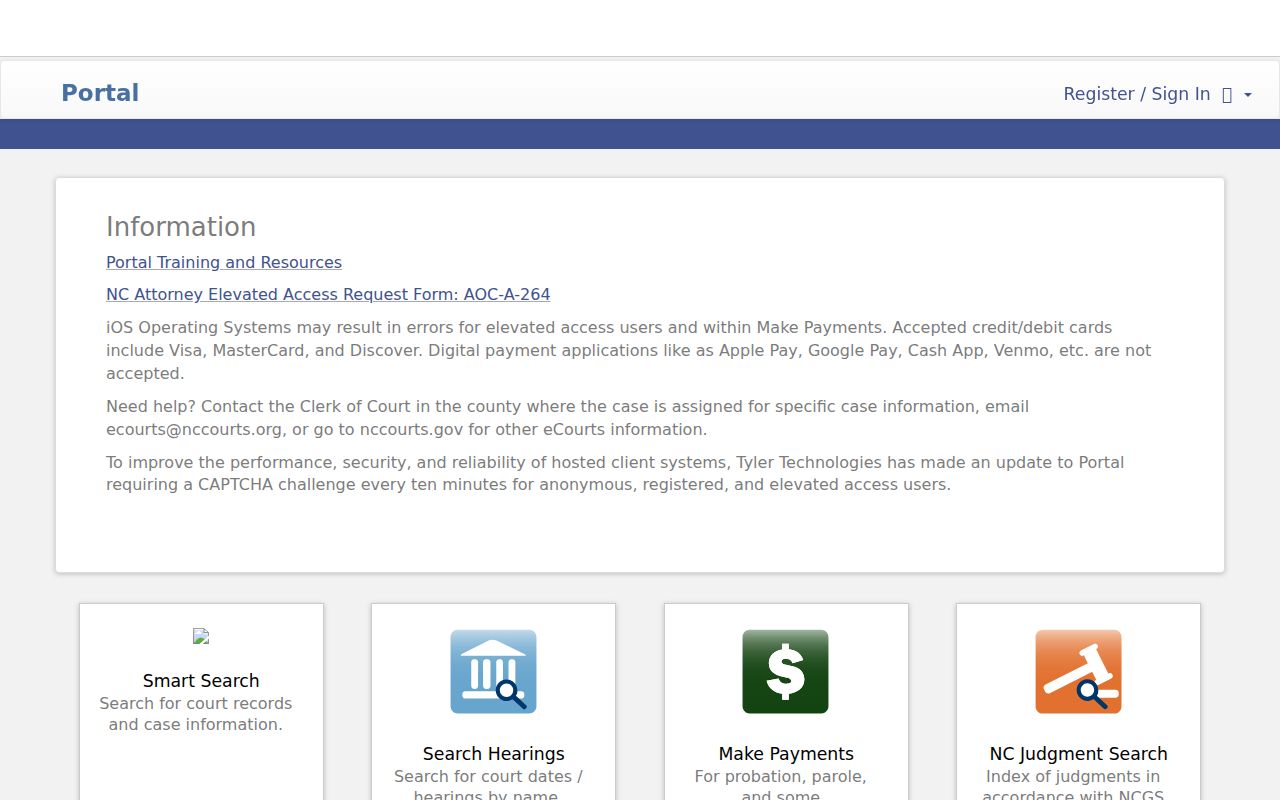
Use the county, a case category, and a date range to separate similar names before treating a public case as a match.
The Judicial Branch’s statewide eCourts guidance records the Portal setting used for Greenville court research.
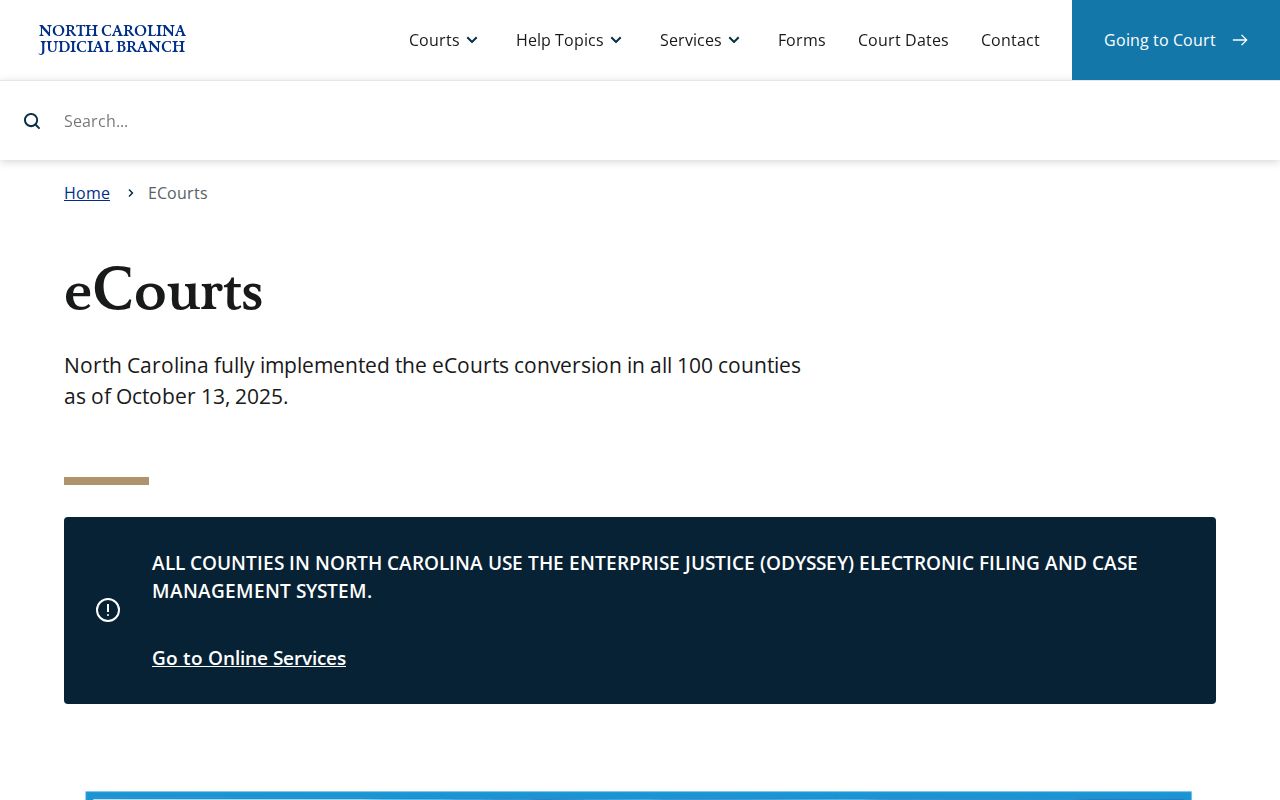
The Portal can be near real time after upload, yet the original court file and an official copy remain with the clerk.
A typical public case summary can show party names and roles, case number, county, case type, dates, events, hearings, dispositions, financial information where applicable, and links to public documents. It can also omit sealed, restricted, confidential, juvenile, protective-order, or warrant material. A public case entry does not establish a current Greenville address.
- Identity: party name, role, search type, and attorney when available.
- Placement: case number, division, county, assignment, and category.
- Dates: filing or index date, events, hearings, and dispositions.
- Links: public documents and hearing details, opened one document at a time.
Get Greenville Clerk Records
The Pitt County Clerk of Superior Court is the record custodian for the court file. The courthouse is at 100 W Third Street, Greenville, and the clerk’s public hours are listed as 8:30 to 5. The online result is a finding tool, not an official court record. If a result needs to be used as proof, ask the clerk about the proper copy. Public civil, estate, and special-proceeding files may be inspected at self-service terminals, while paper files remain with the local clerk. NCAOC guidance states that inspection is free, ordinary copies cost $0.25 per page, and special service charges may apply.
The Pitt County Courthouse page shows the Greenville court access point.
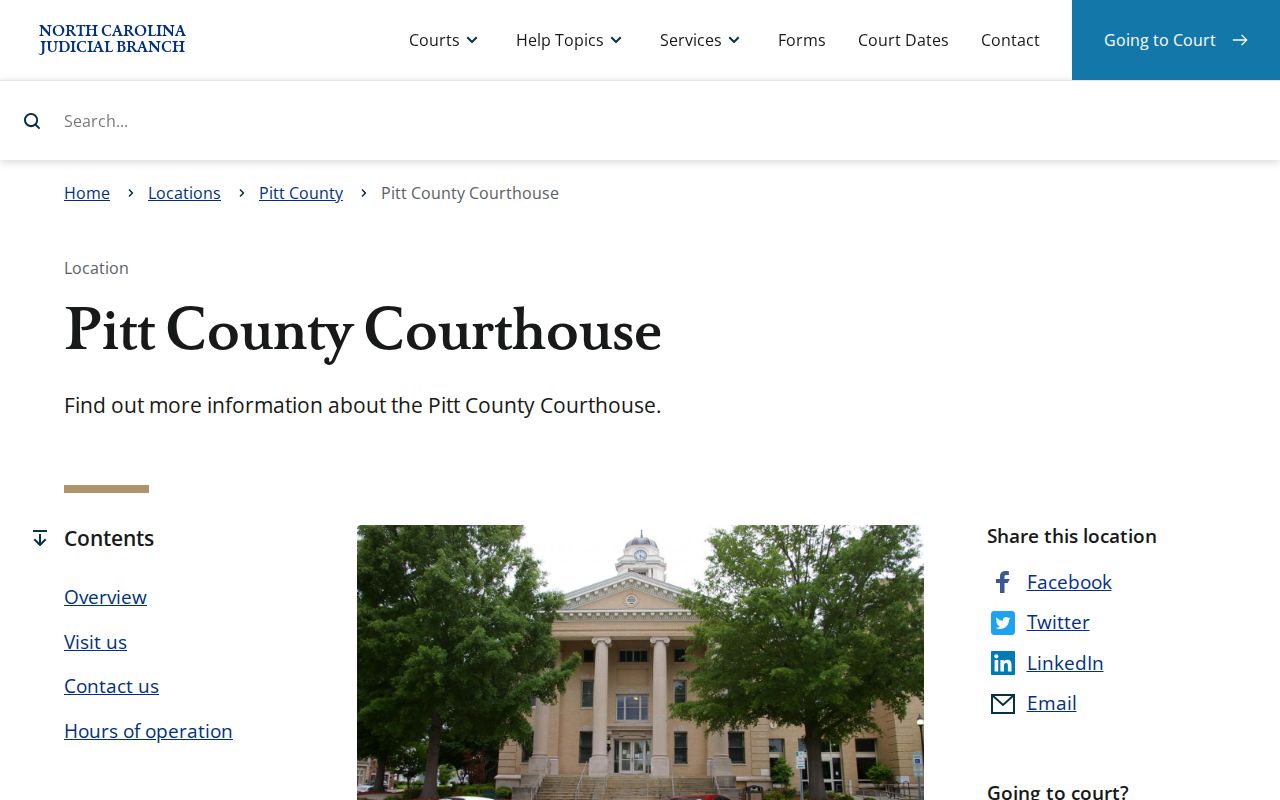
Check the current court page for holiday closures and contact changes before making a records trip.
The Judicial Branch’s court-records guidance documents terminal searching and copy channels.
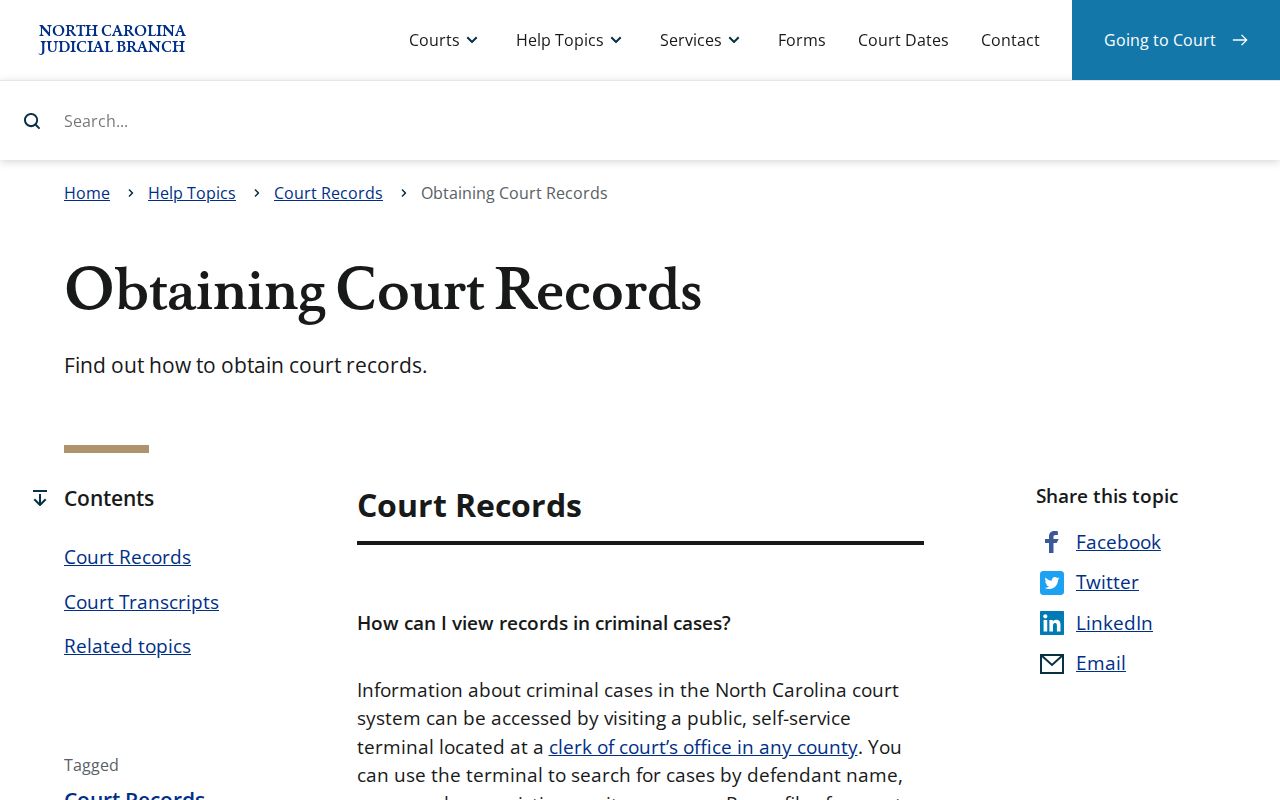
At a terminal, a public search can use defendant name, case number, or victim or witness name, subject to the file’s access limits.
- Docket
- A court’s running list of filings, events, hearings, and orders in one case.
- Index and image
- An index points to a record; an image is the scanned document itself and may be unavailable or restricted.
- Certified copy
- A copy issued and authenticated by the custodian for a purpose that requires official certification.
Check Greenville Voter Records
The NC State Board of Elections Voter Search requires first and last name plus a voter-status choice. Middle initial, year of birth, and county are optional filters, and Pitt is the county to select when it helps. The public result can show county, status, return status, and voter history. Voter-history lines identify an election, voting method, voting county, and primary ballot. They do not show a candidate choice. Party registration is also not proof of how a person voted or of current physical presence at an address.
The NC voter search form is captured with its name, county, year, and status controls.
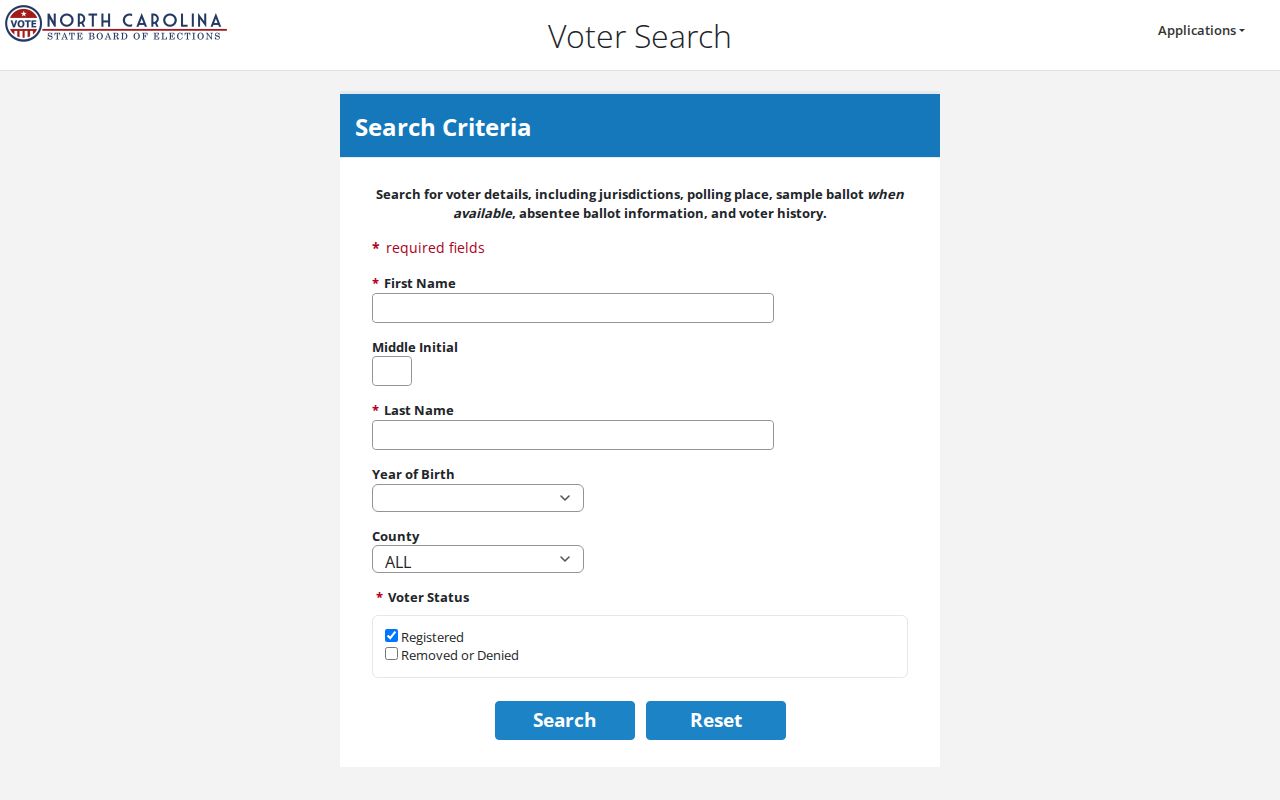
Use the county and year filters to reduce a common-name result without publishing more personal detail than the state releases.
The State Board’s public voter-record explanation shows the type of result and history available to a searcher.
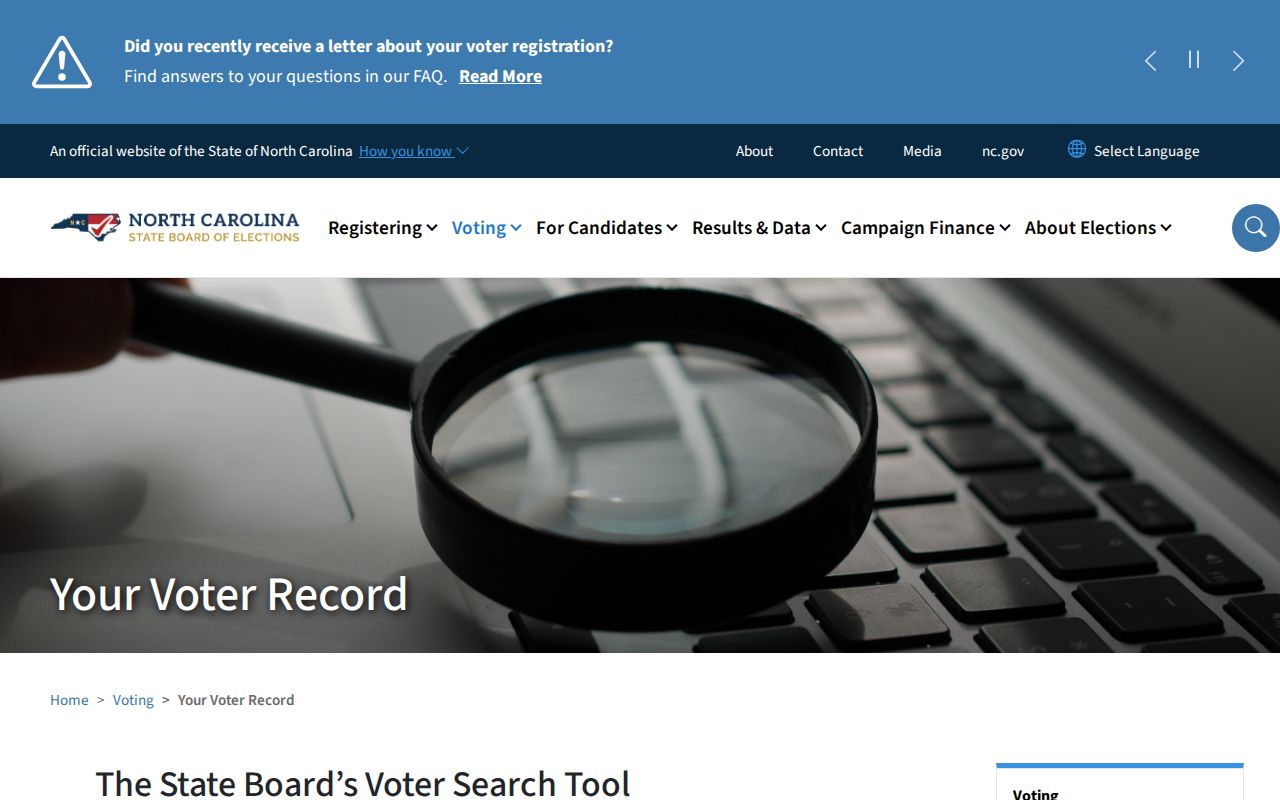
Registration status can change, so keep the access date and do not use a voter result as a substitute for current address confirmation.
North Carolina’s voter-list statute describes public selection fields and confidentiality limits.
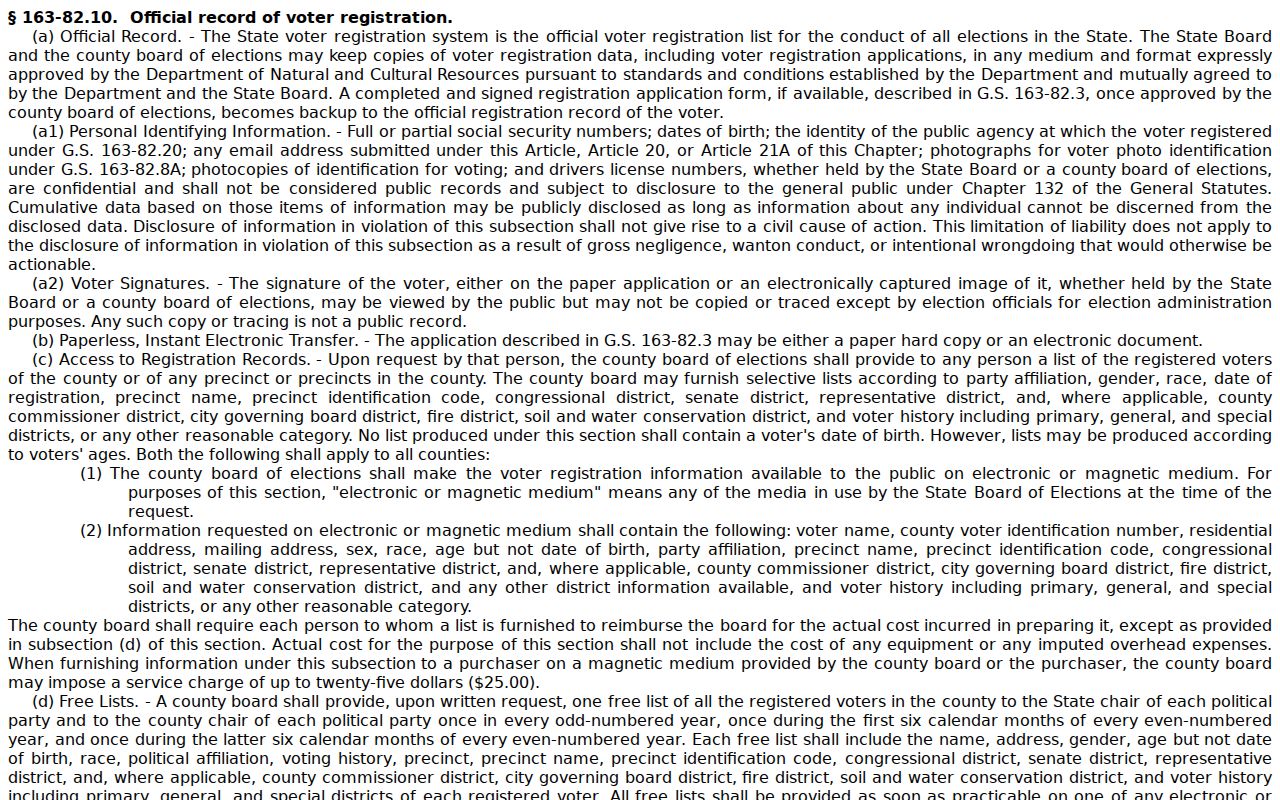
The public electronic list can include name, county voter ID, residential or mailing address, sex, race, age, party, precinct, districts, and voter history, subject to exclusions.
The state voter-data page describes current, former, incomplete, and historical-file coverage.
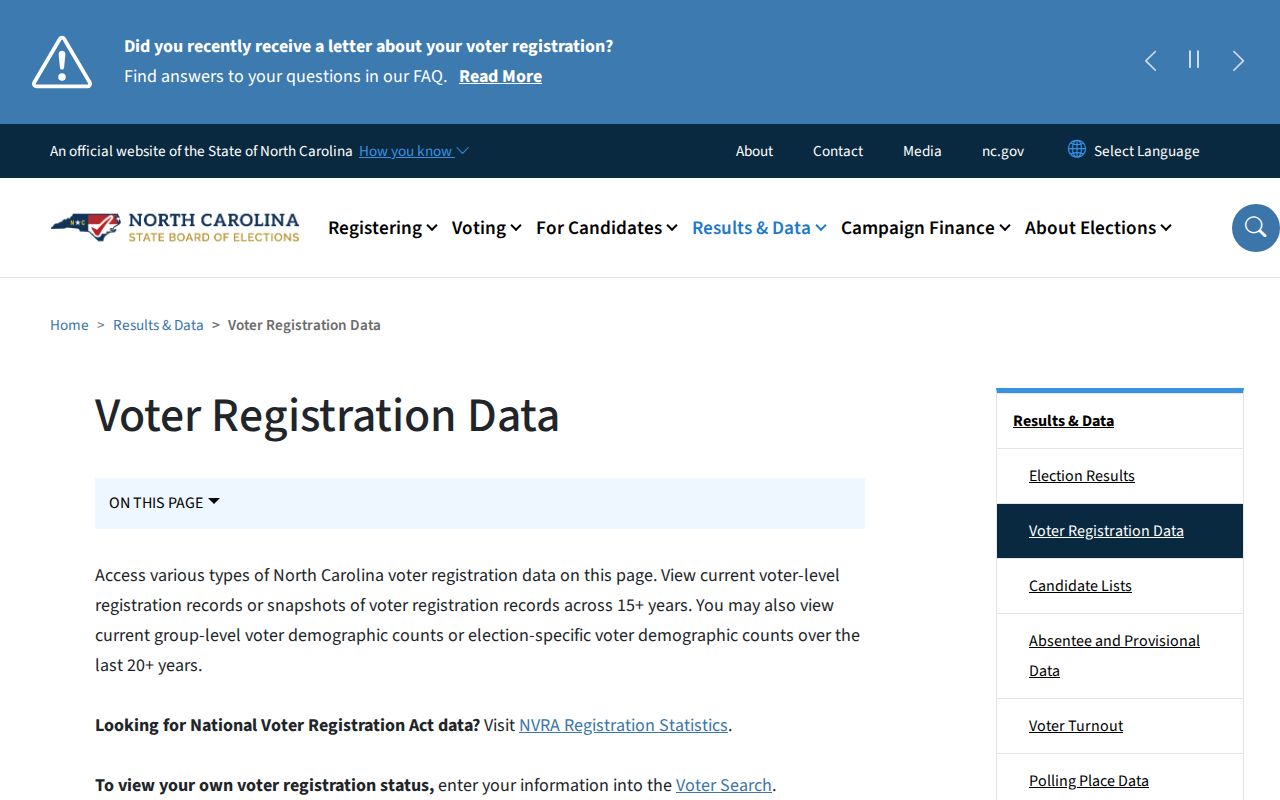
For local help, Pitt Board of Elections is at 1800 N Greene Street, Suite C, Greenville, with telephone, fax, email, counter, and written-request channels documented by the county.
Order Greenville Vital Records
Vital certificates are not a public name index. NC Vital Records holds births from 1913 to present, deaths from 1930 to present, marriages from 1962 to present, divorces from 1958 to present, and fetal deaths from 2001 to present. Pitt Register of Deeds handles county birth and death certificates and marriage licenses when the event or license belongs to the county. The county clerk holds the underlying divorce file. Those holding dates describe the state office’s series, not a promise that every certificate can be freely searched or issued.
The North Carolina Vital Records office identifies its statewide holdings and order routes.
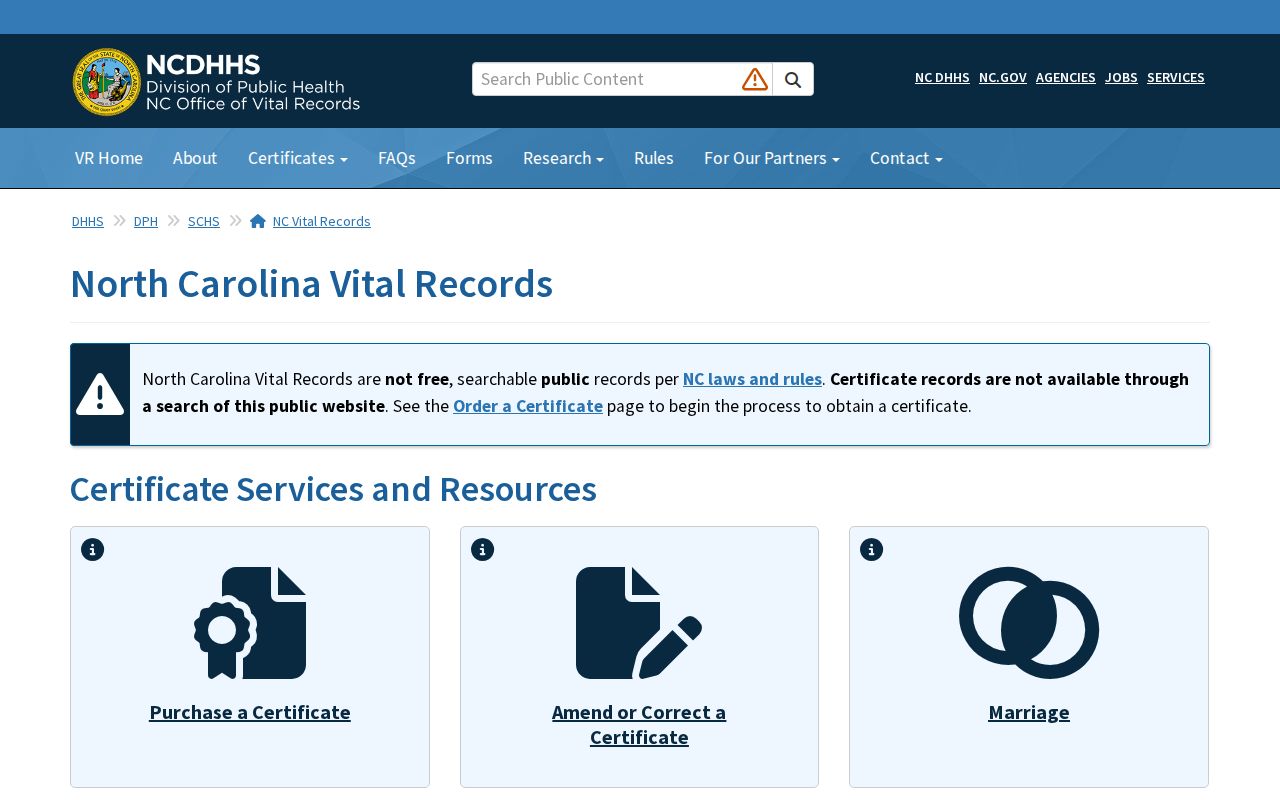
For older death research, State Archives holds death certificates from 1913 through 1975, while other older material may be with the county or a historical collection.
The state’s certificate order page shows the information needed to make a targeted request.
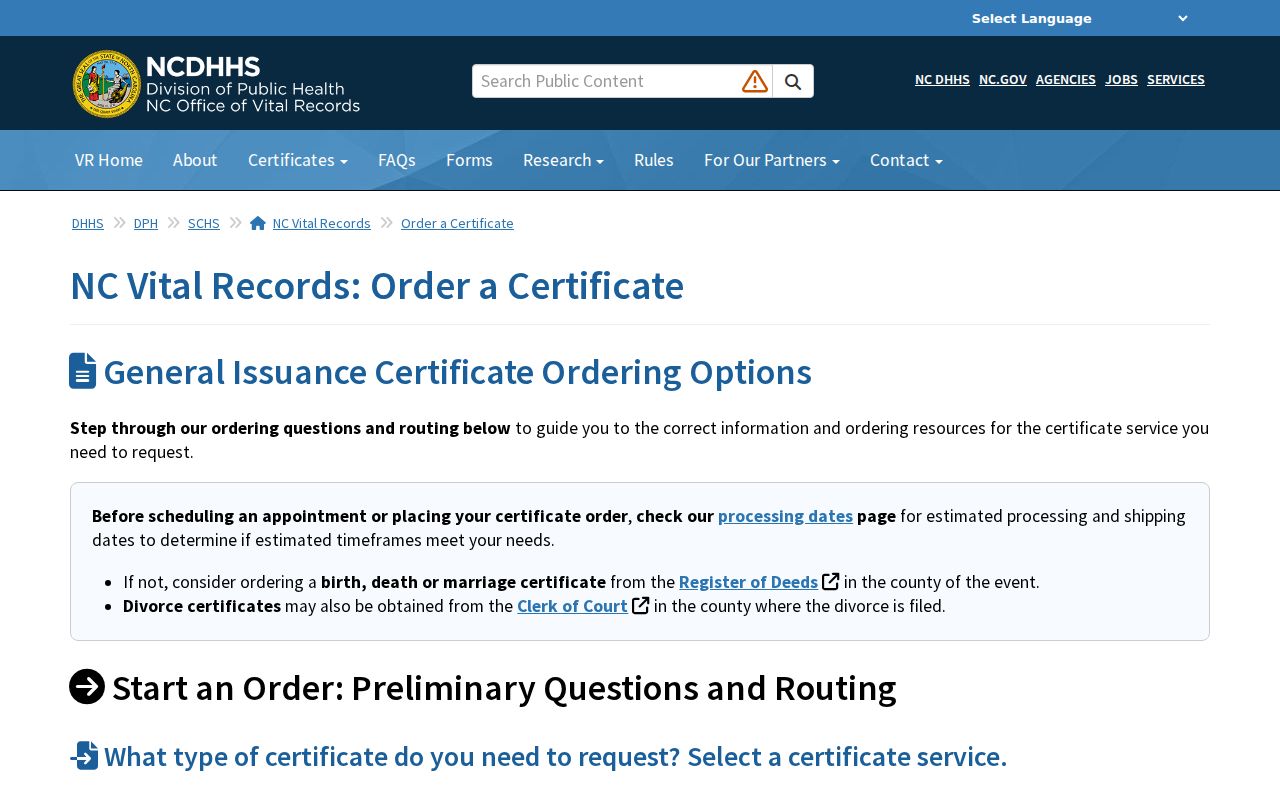
A targeted order uses the name as recorded, event date and place, requestor contact, record type, and the relationship required for a certified copy.
N.C.G.S. 130A-93 is the controlling birth-data restriction and certified-copy rule.
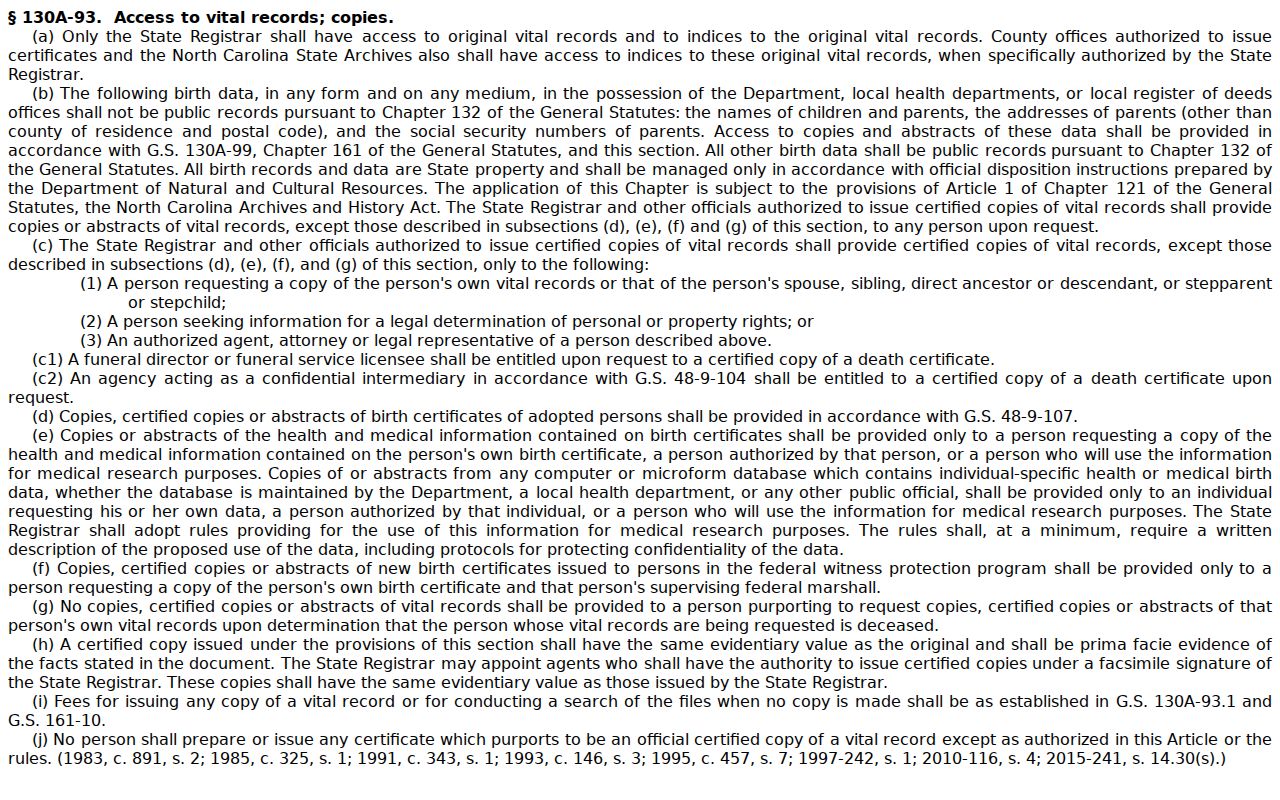
Eligible requestors generally include the person named, a spouse, sibling, direct ancestor or descendant, stepparent or stepchild, authorized agent, attorney or legal representative, a funeral director for a death record, or someone with a legally recognized personal or property right. State the exact relationship on the current application.
The state fee schedule documents the standard three-year search charge and related order options.
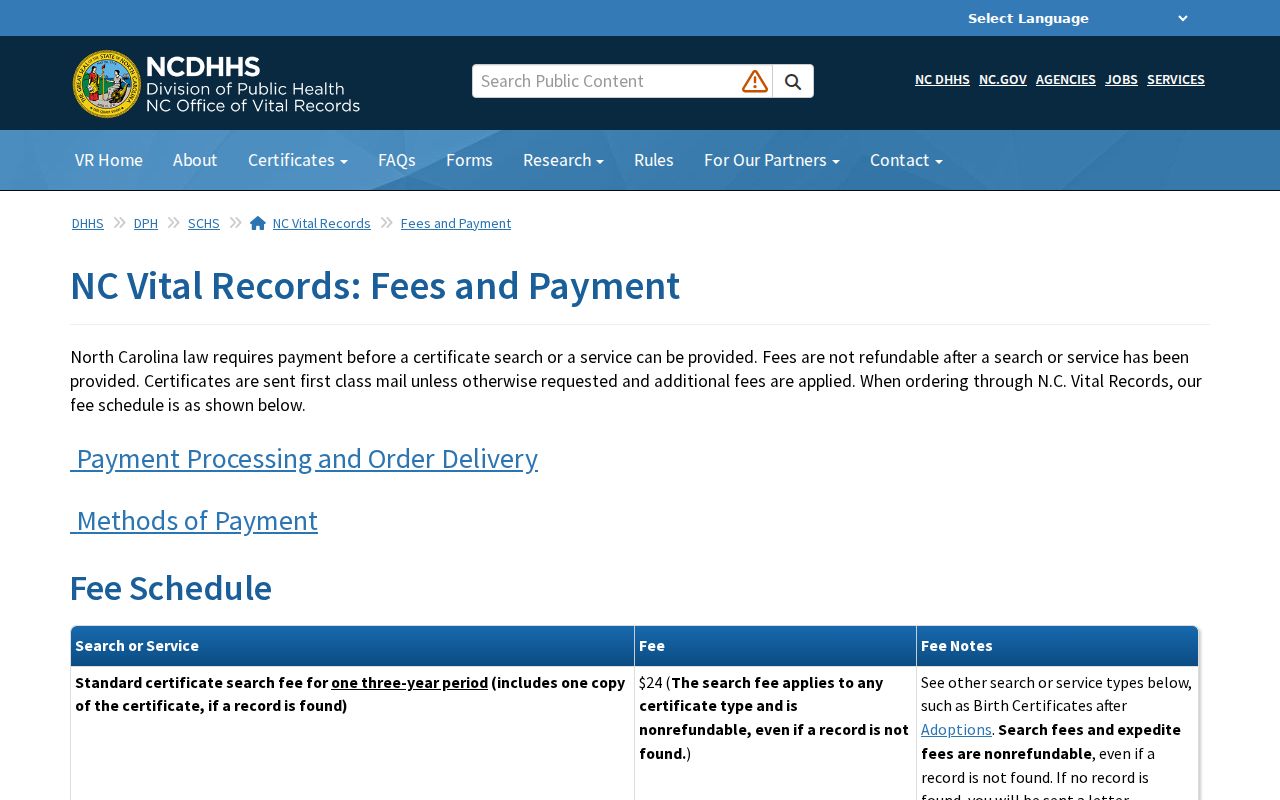
The standard search is $24 for each three-year period and includes one copy if located. That search fee is nonrefundable; use the current application for any identification or notarization condition. For a current record, use the Pitt Register of Deeds counter, phone, or mail channel as accepted, or NC Vital Records online, by mail, telephone, or scheduled in-person service. Use the clerk for a divorce file and the Archives, library, or DigitalNC for an older historical lead.
N.C.G.S. 130A-99 describes county preservation of birth and death copies and indexes, subject to certificate-access limits.
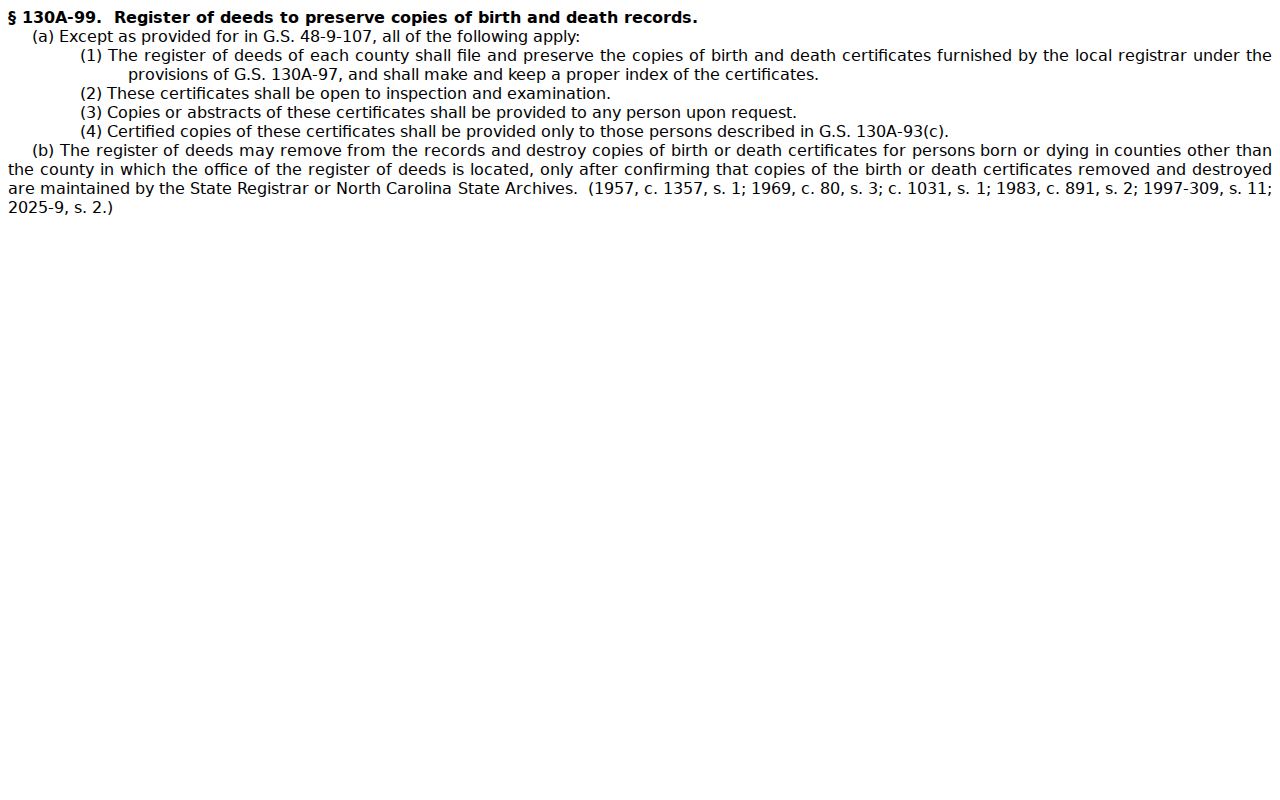
County preservation does not turn current certificates into a freely searchable name list; request only the access the statute and custodian allow.
Confirm Greenville Professional Records
Official role searches can help distinguish two people with the same name, but they are not resident records. The North Carolina Secretary of State Business Registration Search has organization-name and person-name fields, while separate boards verify licenses. The Medical Board can search by license number, name, city, county, area of practice, or status under its documented combination rules. The Board of Nursing accepts a license or listing number or a name. A search result may establish a filing, credential, public action, or listed role. It does not prove Greenville residence, ownership of an entity, current activity, or a connection to a particular street.
Use the board or filing office that created the record when a role needs confirmation. The state data-subscription page says its downloadable business data are updated weekly, and boards can have their own status and public-action limits. A listed city or mailing address is context, not a finding that the person lives there.
Verify a Greenville Resident
Use a two-custodian check before attaching a public record to a person. The process below works when there is a full name and at least one safe, dated detail. It avoids turning a single search result into a broader claim than the record supports.
- Search the least intrusive official index with the complete name and preserve the spelling returned.
- Add Pitt County, a year, a parcel, or a case category to separate namesakes.
- Compare one independent custodian, such as a land instrument after a parcel result or a clerk record after an eCourts result.
- Record the source, coverage, underlying record date, and access date. Ask the original custodian for an official copy when needed.
For a court record, that means portal first and clerk confirmation second. For a vital event, it means using the county or state certificate channel only if eligibility applies. For a voter result, it means respecting status changes and protected-address rules.
Protect Greenville Resident Privacy
Some Greenville resident lookup results are deliberately incomplete. Voter records exclude full or partial Social Security numbers, dates of birth, driver-license numbers, and protected military or overseas email. A visible voter signature may not be copied or traced. Court, adoption, and some certificate records may be sealed or restricted. A parcel’s tax mailing address is not a statement that the person occupies the property.
The North Carolina Address Confidentiality Program serves qualifying survivors who need a substitute address and mail forwarding. An ACP participant can seek voter-address confidentiality with the required card and statement. Never try to reconstruct a protected address through parcel, voter, or directory cross-checking. If a court or Register of Deeds image exposes an eligible sensitive identifier, N.C.G.S. 132-1.10 provides a redaction-request route through the custodian. Correct a mistaken record with the office that created or holds it.
Note: A public database can omit protected material, and an absent result never proves that a person is absent from Greenville.
Lawful Greenville Resident Lookup
Use public records for family history, an estate or heir question, reconnecting with a past classmate, verifying a seller, or checking a dated civic record. Keep the search narrow and tied to the original custodian. North Carolina’s public-record rules do not require an office to create a new list of every Greenville resident, and a broad request may be limited by confidentiality or a lawful service charge.
A record request works best when it names the record type, approximate year, and the office that holds it. Ask a clerk, board, Register of Deeds office, or Archives staff whether the requested record exists and whether it can be inspected, copied, or certified.
Lawful use. Greenville resident lookup records are for personal, lawful research. Do not use a name, address, record image, or search result to stalk, harass, intimidate, or harm anyone.