
Greenville Previous Resident Sources
A backward address trail uses sources that answer different questions. Pitt OPIS begins with the current tax parcel. The Register of Deeds connects the parcel to legal instruments. Historical directories, federal census schedules, Sanborn maps, cemetery research, and Archives material can then supply dated context. None of them is a complete occupancy list. The strongest conclusion identifies the source, the record date, and what the record actually says.
| Source | Years It Covers | Where Held | What It Shows |
|---|---|---|---|
| Pitt OPIS parcel card | Current tax/parcel layer | Pitt County online | Owner, parcel, NCPIN, situs, mailing address, legal description |
| Pitt Register of Deeds index | September 1762 to present | Online portal and historic books onsite | Grantor, grantee, document type, book/page, filing date |
| Verified Greenville/Pitt directories | 1916-17, 1926-27, 1940-41, 1942-43, 1960-61 | DigitalNC and local-library help | Dated household, address, work, and source notation |
| Federal census schedules | 1790-1950 | National Archives | Historical household snapshot, subject to the 72-year access rule |
| Greenville city cemetery records | Current records with a pre-October 1984 gap | City cemetery service | Burial lead, with unmarked or unrecorded-grave limits |
Start from the present parcel when an address is known. If the question concerns a household during a directory or census era, work from the dated volume or schedule toward the parcel rather than treating present ownership as past occupancy. The 1958-59 Greenville directory era is not listed as an available volume because the research did not verify an official DigitalNC landing record. Note: A current owner, tax mailing address, or deed party does not by itself prove that a person lived there.
Start With a Greenville Parcel
Pitt OPIS is the online starting point for a Greenville address. It can search owner name, address, parcel number, NCPIN, and advanced parcel attributes. Parcel number is a five-digit numeric identifier in the interface; NCPIN is a ten-digit geographic identifier. Open the detailed parcel card rather than relying on the short result. Copy the current owner, situs or physical address, tax mailing address, legal description, parcel number, NCPIN, and any deed reference shown.
The parcel card separates terms that are often confused. A situs address is the property’s physical location. A mailing address is where tax notices go and can be elsewhere. The OPIS roll is tax and ownership focused, so it does not establish who occupies a house. Data may be stale, coordinates are approximate, and components are not all county-maintained. Consult Pitt County before relying on a parcel detail.
- Parcel number
- The five-digit numeric identifier described in the OPIS help for a selected tax parcel.
- NCPIN
- The ten-digit geographic identifier used to distinguish a parcel when an address or lot changes.
- Situs address
- The physical property address, which differs from a tax mailing address when notices go elsewhere.
Trace Pitt Deeds Backward
The Pitt Register’s real-estate index reaches from September 1762 to the present, while historic index books remain onsite. Use the OPIS parcel detail to get the current deed reference, then search by book and page or by party. The register’s result grid includes date filed, index, type, grantor, grantee, description, file number, book/page, reference, amount, and an image indicator. The index labels its description as not warranted, so read the actual instrument when the legal identity of the parcel matters.
- Copy the present parcel’s NCPIN, legal description, current owner, and book/page from OPIS when displayed.
- Find the current transfer in the Register index and record the deed type, filing date, grantor, grantee, book/page, and image status.
- Use the selling party and legal description to locate that party’s earlier acquisition.
- Repeat backward through deeds, deeds of trust, releases, easements, plats, and subdivision records when they affect the parcel.
- For material not clear online, use the Register’s historic index books onsite or ask for a directed search through an accepted access channel.
- Grantor
- The party transferring an interest in an instrument.
- Grantee
- The party receiving that interest in an instrument.
- Chain of title
- The sequence of recorded transfers used to trace a parcel backward through time.
- Legal description
- The recorded land description that can preserve a parcel’s identity when a street number, lot, or subdivision changes.
A Pitt Register sample deed result shows the book/page search route and its indexed fields.
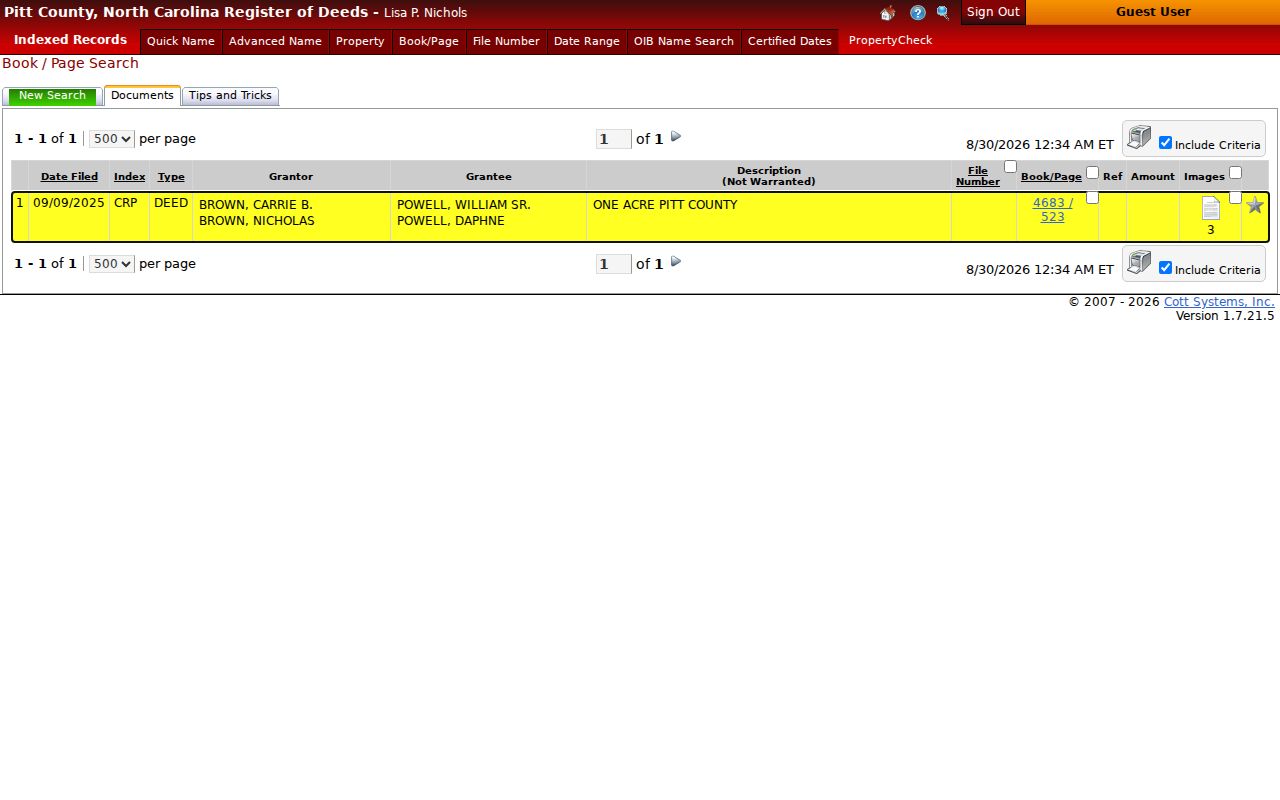
The sample confirms the kind of index information to capture, including parties, filing date, type, description, book/page, and image column. It is an index record, not proof that any named party lived at the address.
Greenville Past Household Records
Land records show parties to a transaction. Household research needs a separate dated source. The verified Greenville/Pitt directory years are 1916-17, 1926-27, 1940-41, 1942-43, and 1960-61. Search an ordinary alphabetical section first, then check any separate address-ordered section that the specific volume actually contains. The collection details, abbreviations, publishers, and known gaps are kept with the Greenville city directories.
Pair each directory with the nearest accessible federal census schedule. Keep the directory date and census date separate. A spouse in a directory entry, a household in a census schedule, and a name in a deed may support a connection only when the dates, address, and identity details fit. A disappearance can mean a move, death, changed spelling, altered listing practice, or no listing at all.
The National Archives census research page explains the 1790-1950 schedule range and the 72-year public-access rule.
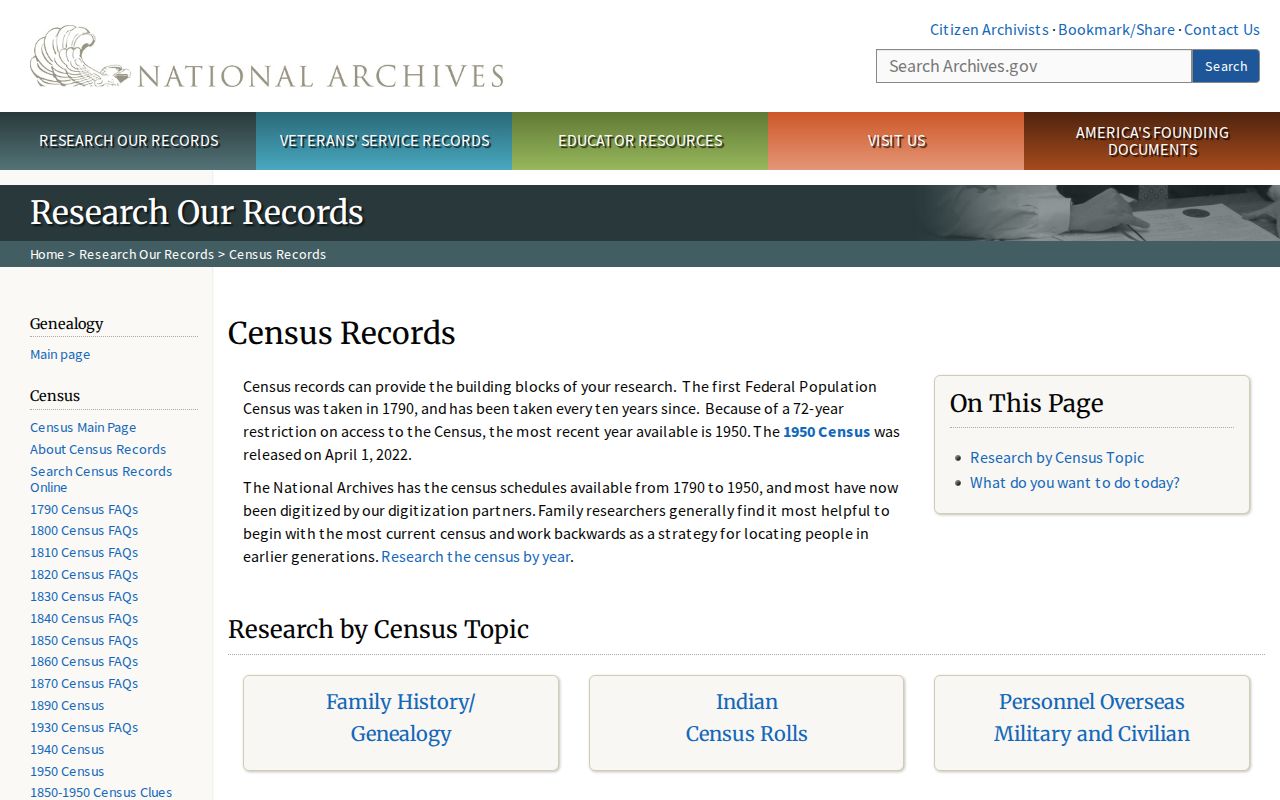
Census schedules can document a household at a historical point, but their address and availability vary by census and place. Use the schedule image and citation rather than an undated transcription alone.
Lawful use. Greenville previous-resident research is for house history, family history, estate questions, and personal curiosity. Do not use a dated record to harass, track, or make claims about a living person.
Greenville Address Changes and Maps
Street strings are weak keys when a parcel was subdivided, renumbered, annexed, or listed under an older spelling. Use the legal description, NCPIN, and plat to carry the deed chain across a changed address. Greenville’s code identifies Greene, Evans, and First as reference streets for the number grid. Old shorthand such as E 3d can be compared with that logic, the deed description, and a historical map, but it should not be silently converted to a current address.
The Library of Congress provides a four-sheet Greenville Sanborn map from May 1896 and a twelve-sheet Greenville Sanborn map from May 1916. A sheet can show buildings, land use, a business name, or a street spelling near the address. It does not name every resident. Greenville also grew from 5.8 square miles in 1960 to 35.4 square miles in 2010, so a historical Greenville label may reflect postal or county use rather than proven municipal inclusion.
Note: A map explains block context, while the deed and dated household source establish different parts of an address history.
Greenville Cemetery and Record Gaps
A missing cemetery result needs careful wording. The City of Greenville cemetery service warns that records before October 1984 are unavailable because some graves were unmarked or unrecorded. The warning applies to the city’s record system. It does not prove a person was not buried in Greenville or elsewhere. Check a dated directory, obituary or newspaper lead, cemetery staff information, the Historical Society, and State Archives WPA cemetery material before drawing a conclusion.
The city’s cemetery information and record-gap notice are shown below.
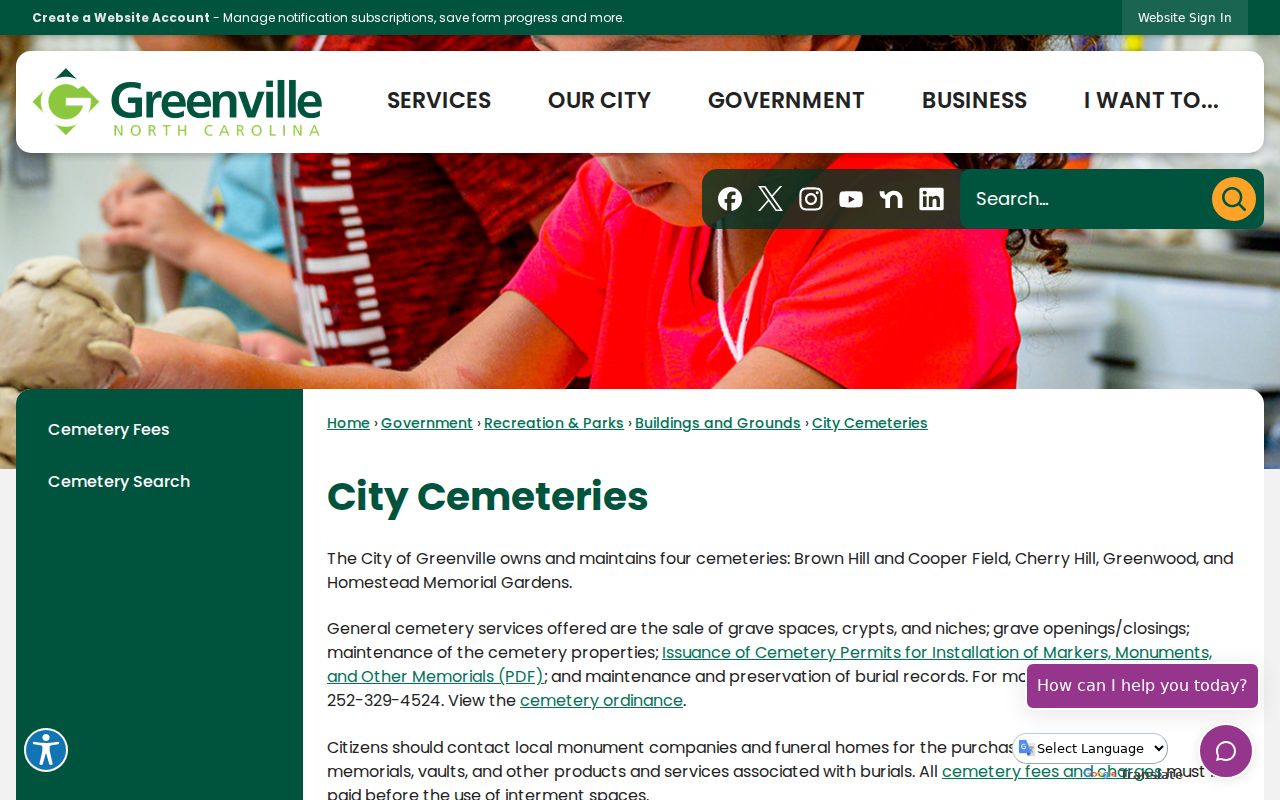
Greenville identifies Cherry Hill, Brown Hill or Cooper Field, Greenwood, and Homestead Memorial Gardens in its official overview. The absence of a pre-October 1984 city record remains a research condition, not a death or burial conclusion.
Greenville Archives for Older Trails
When a deed or address trail becomes thin, the State Archives can add Pitt County land, estate, tax, court, marriage, Bible, cemetery, and private-family series. The Pitt County miscellaneous collection spans 1763-1924 and includes a courthouse-fire-related bill along with older election, docket, and jail material. That reference may explain a gap in a county collection, but it does not provide a fire date or allow a missing record to be recreated from inference. County series are often arranged by record type rather than name.
The State Archives county-record overview is shown below.

Use the directory year, county, legal description, and surname variant to identify a plausible series before requesting a search.
The State Archives catalog guidance is shown below.
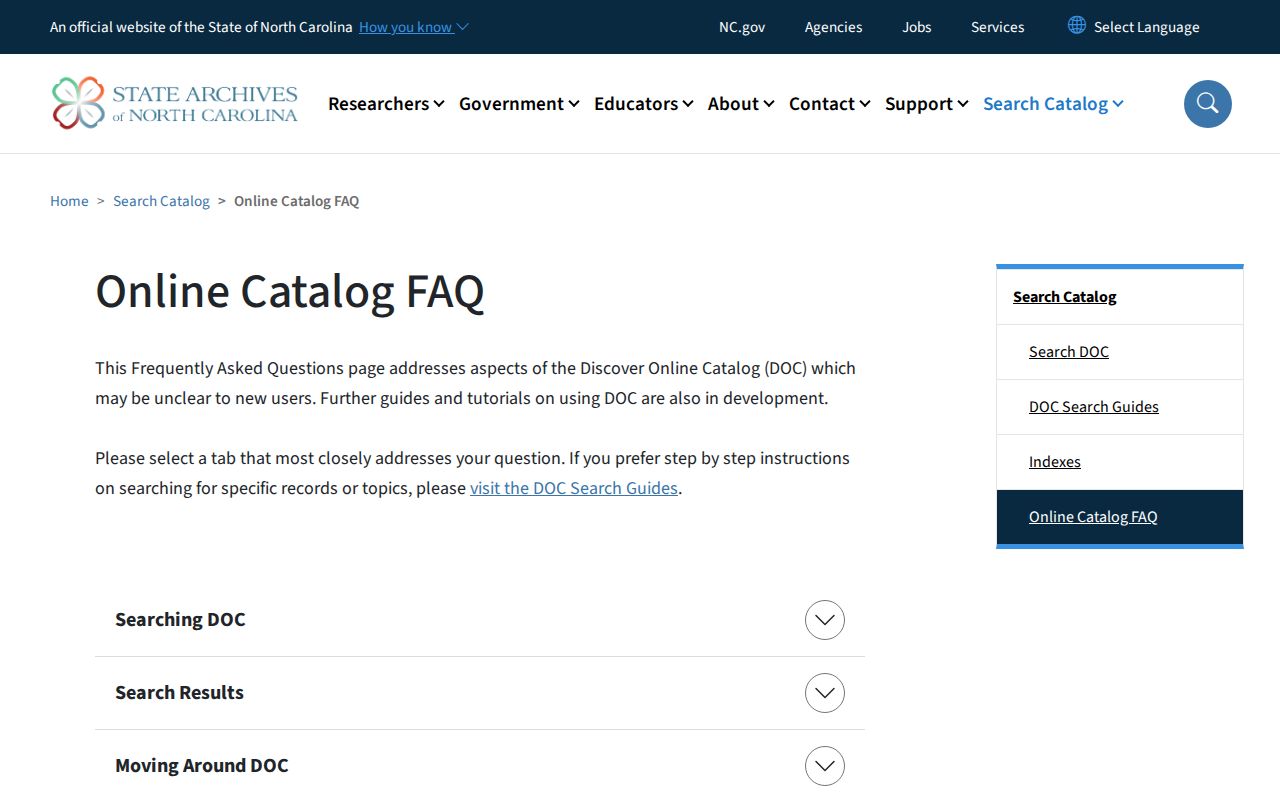
The catalog can identify collections and containers, but a result is not proof of a person’s residence or ownership.
The State Archives copy-request form asks for the subject, year, county, and pertinent details.
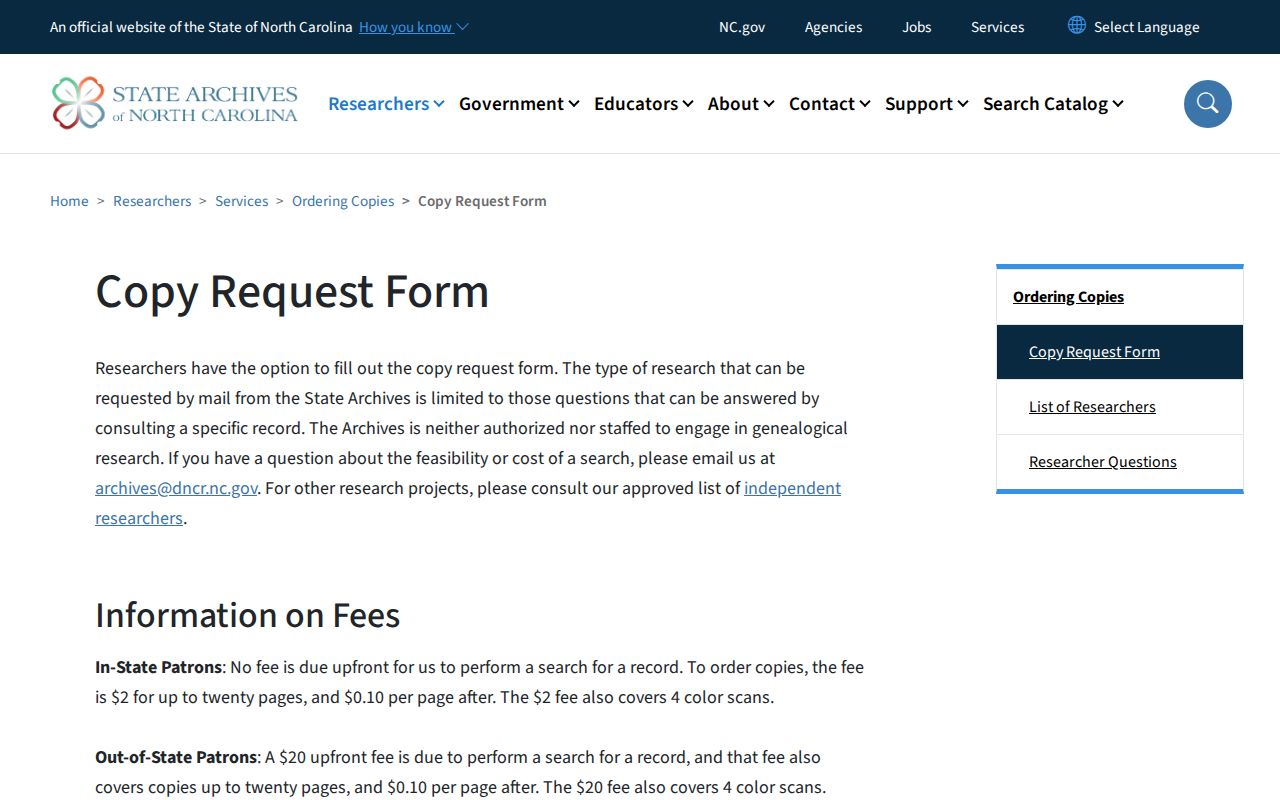
Ask for search feasibility and a quote. The documented access routes include the online catalog, copy form, mail or email as accepted, and the Raleigh Search Room; the accessible form did not state a fixed price or processing time.
Date Greenville Previous Resident Claims
Keep the record date, source coverage statement, and access date separate. A current parcel card is current tax and ownership information. A deed names instrument parties on its filing date. A directory places a person at an address in a particular edition. A census provides a historical household snapshot. A Sanborn map supplies physical context. Combining those records can form a useful address history only when each source remains labeled for what it proves.
For the present-day parcel and deed verification step, Pitt County also offers PropertyCheck, a name-and-address notification service. It is an alert layer, not a replacement for reading the land index or instrument. Note: A carefully dated chain can show past residents without making a claim about who lives at a Greenville address now.